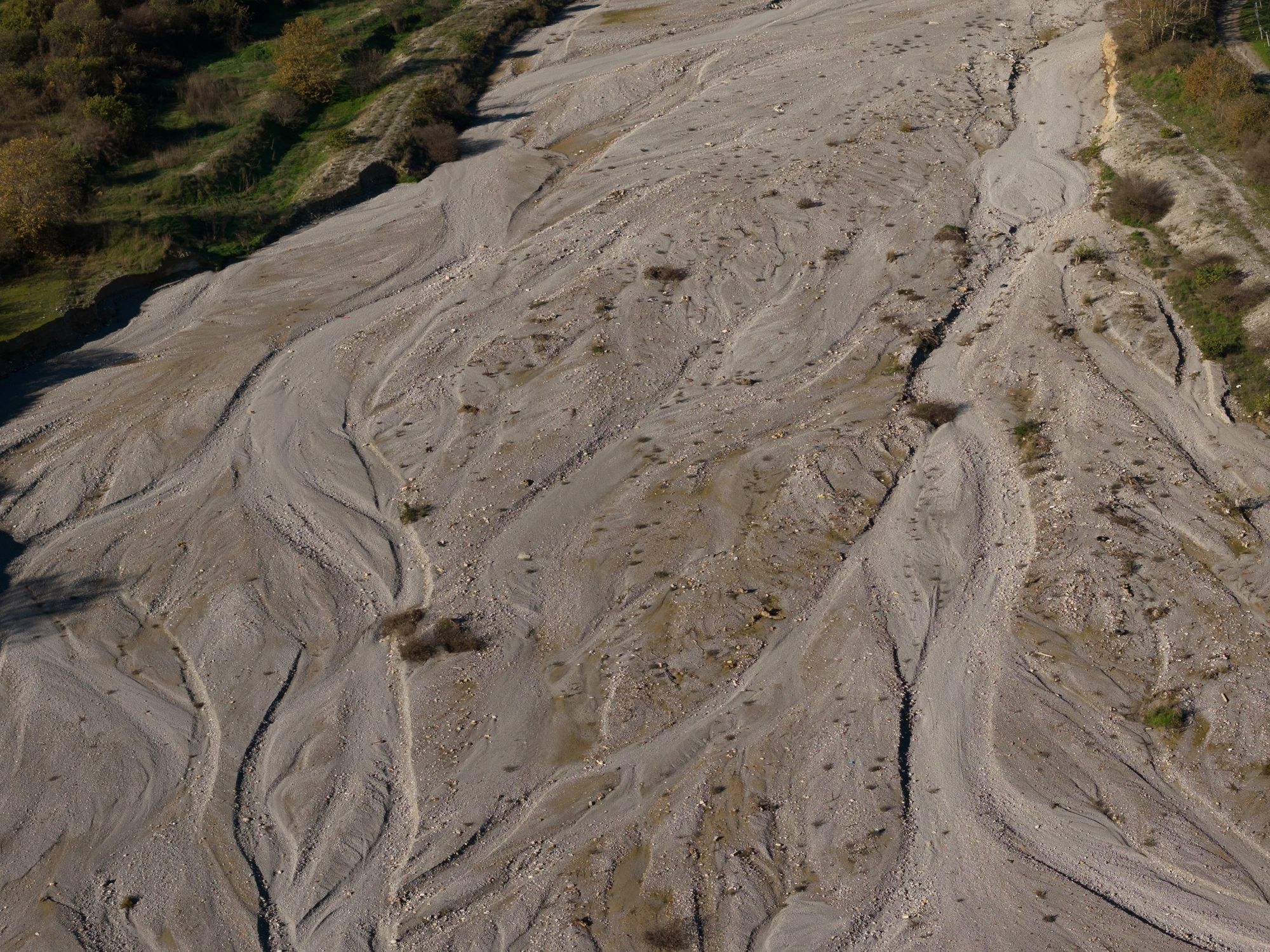
A fish surviving without water for months sounds like one of those facts that should be fake. But lungfish really do have an extreme drought survival strategy that makes the headline surprisingly close to reality.
A quick overview appears in Wikipedia’s lungfish article and the entry on aestivation. To strengthen the claim, it also helps to look at non-Wikipedia sources such as the Britannica article on lungfish and the Animal Diversity Web overview of Dipnoi, which explain that lungfish are unusual freshwater fish with air-breathing abilities and remarkable adaptations for surviving harsh conditions.
How the survival trick works
Credits: Canva Photo
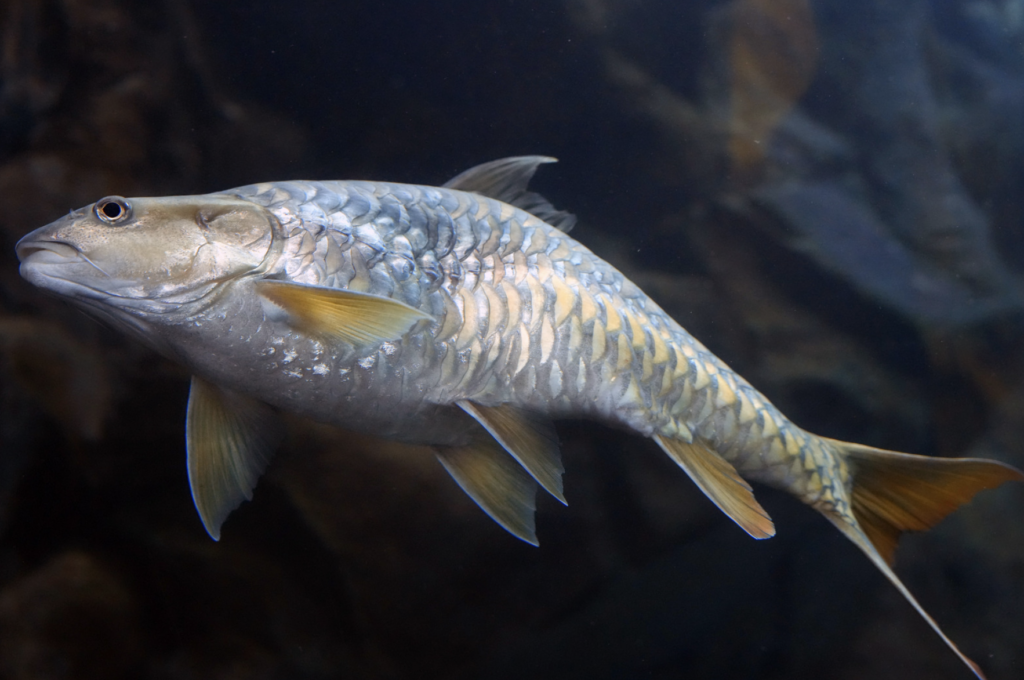
Some African lungfish can survive seasonal drought by burrowing into mud and entering a dormant state called aestivation. As the mud dries, the fish forms a mucus-lined chamber that helps reduce water loss. Its metabolism slows dramatically, allowing it to endure long periods until rain returns and the habitat fills again.
That does not mean the fish is casually living a normal life on dry land. The more accurate version is that certain lungfish species can survive extreme dry periods by switching into a low-energy survival mode while breathing air.
Why lungfish are so weird
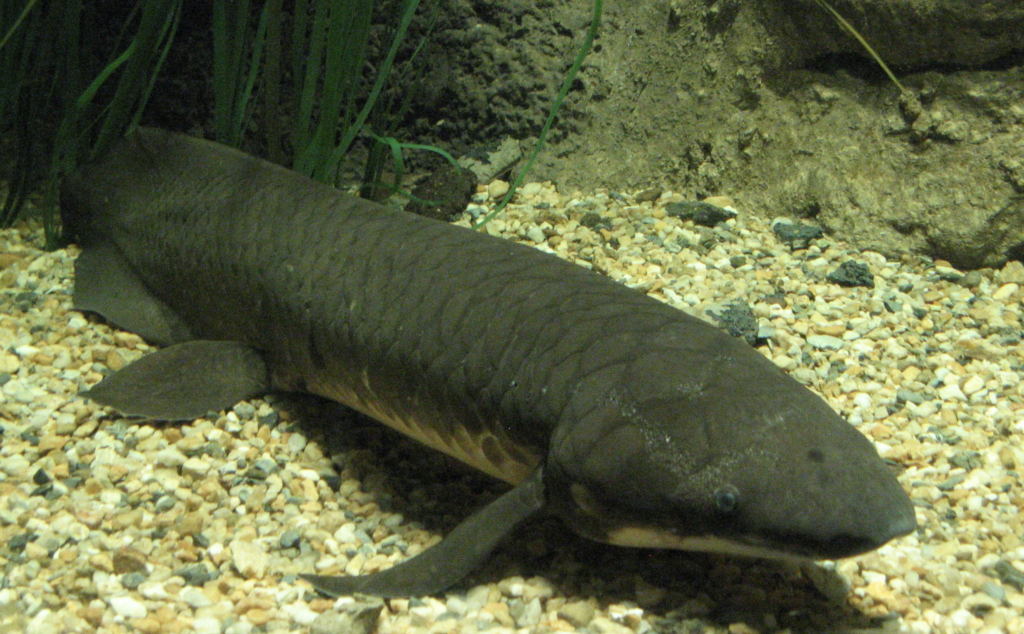
Lungfish are fascinating because they are not just odd animals with a party-trick headline. They are lobe-finned fish with biological features that make them important to evolutionary science. Their air-breathing ability and anatomy are part of why scientists often discuss them when talking about the long transition from aquatic life toward life on land.
Credits: Wikipedia

That is where the viral appeal really kicks in. This is not just a fish doing something bizarre. It is a living example of how flexible survival can become when environments turn brutal.
Why scientists care
According to Animal Diversity Web and Britannica, lungfish are studied not only for their physiology but also for what they reveal about vertebrate evolution. Their ability to tolerate drought makes them useful examples of adaptation, dormancy, and environmental resilience.
In other words, the fact sounds unbelievable because it sits right on the edge of what most people think a fish should be able to do.
The lungfish is not breaking the rules of biology. It is showing how flexible biology can become when survival is on the line.
Why this matters
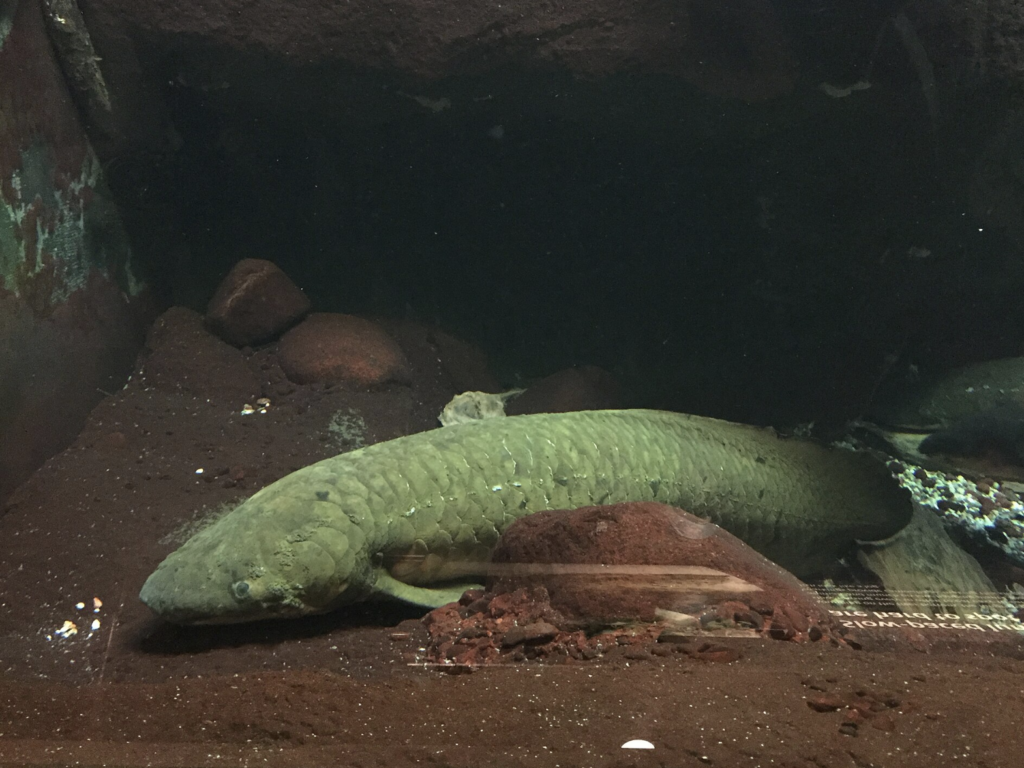
This matters because lungfish are more than a weird internet fact. They help scientists study adaptation, survival under environmental stress, and the long evolutionary story of vertebrates. A strange animal behavior becomes much more interesting when it also reveals something about how life responds to extreme conditions.
Credits: Wikipedia.org
It matters for readers too because this is the kind of story that rewards curiosity instead of fake shock. The headline grabs attention, but the real value is learning that nature can be far more inventive than people expect, and that some of the wildest facts online are still grounded in real biology.
The real takeaway
The headline needs context, but the core fact is real. Not every fish can do this, and even lungfish do it only under specific environmental pressure. Still, the idea is true enough to stop people in their tracks: some lungfish can survive drought for astonishing lengths of time by breathing air and aestivating in mud.
That is exactly why this story works so well online. It sounds like internet nonsense at first, then turns out to be backed by real biology.
Leave a Reply