Visual: original-style conceptual brain artwork from the WordPress media library.
The human brain controls memory, language, movement, emotion, and perception, yet scientists are still trying to answer some of its biggest questions. That is what makes brain science so addictive: the more we learn, the more mysterious the organ can seem.
A broad summary appears in Wikipedia’s human brain article and related entries on memory and consciousness. But the topic becomes much stronger when paired with non-Wikipedia sources like the National Institute of Neurological Disorders and Stroke brain basics guide, the Britannica article on the human brain, and the Harvard Medical School overview of the brain.
Credits: Canva
Why the brain still feels mysterious
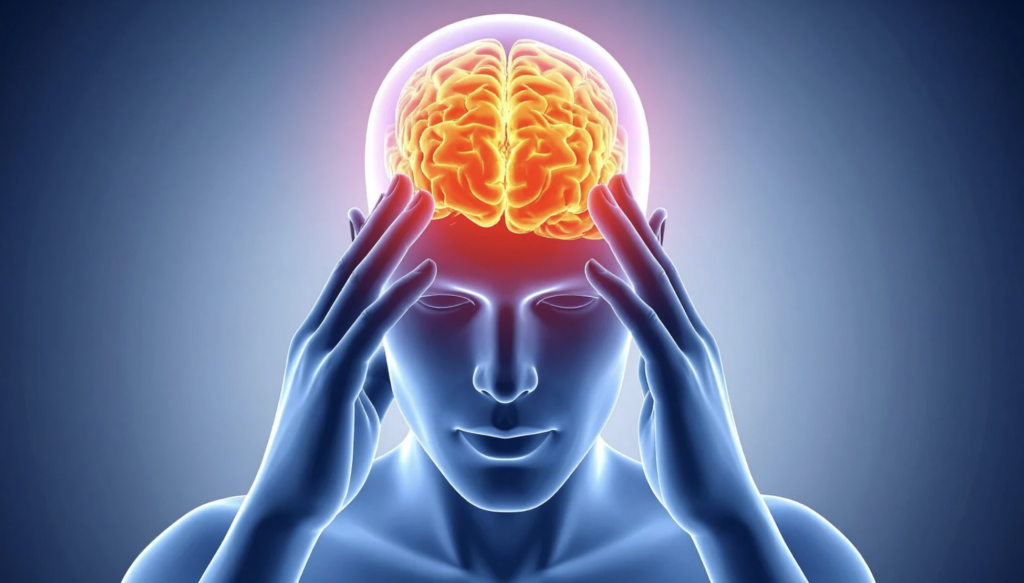
Scientists understand a great deal about brain structure and function. They can identify regions involved in speech, vision, movement, and emotional processing. They can also study how neural circuits change with learning, sleep, injury, and disease. But the brain is not a simple machine with one neat control center. It is a dynamic network, and many abilities depend on interactions across multiple regions at once.
That complexity is one reason the brain still feels almost unreal. It is not just powerful. It is layered, adaptive, and constantly changing.
Memory is stranger than people think
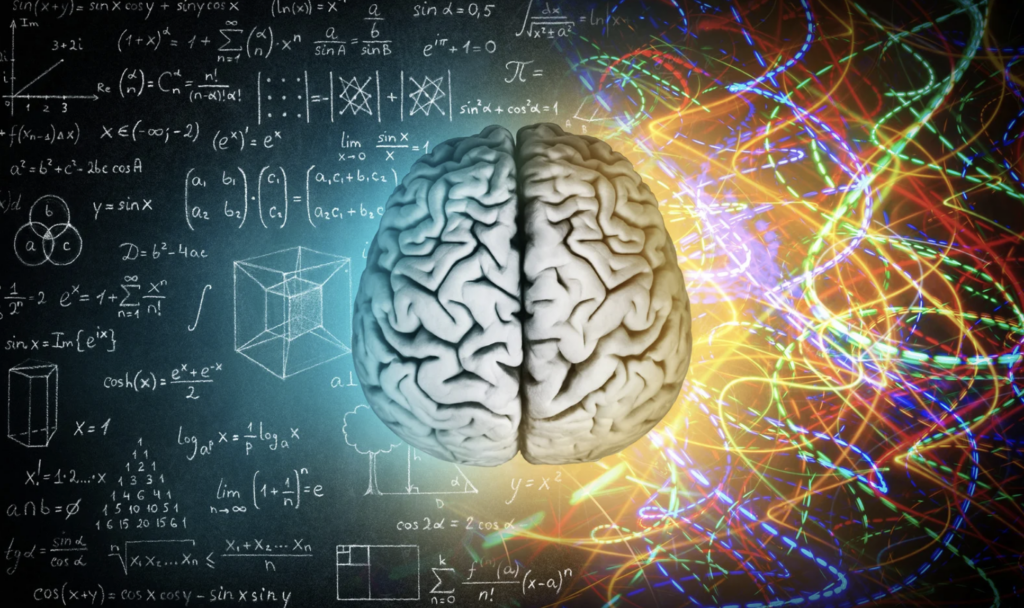
One of the most surprising facts about the brain is that memory is not a perfect replay system. Research summarized by major educational and medical sources shows that recall can be influenced by attention, emotion, context, and later experiences. In practical terms, remembering is often reconstructive rather than purely archival.
Credits: Canva
That idea goes viral for a reason. People assume their minds are recording reality like a camera, but the truth is more unsettling and more interesting: the brain is constantly interpreting experience, not just storing it.
Consciousness is still the giant puzzle
The biggest mystery may be consciousness itself. Scientists can observe brain activity and connect certain patterns to awareness, sensation, and behavior, but there is still no single final explanation for how subjective experience emerges from physical processes in the brain.
That gap between what we can measure and what we personally feel is part of why the topic never stops fascinating people. The brain is the organ that lets humans ask questions, and one of its hardest questions is how it produces the feeling of being a self.
The brain is remarkable not only because it powers human life, but because it is trying to understand itself while doing it.
Why this matters
This matters because brain research affects medicine, mental health, aging, education, and recovery from injury. The better scientists understand memory, perception, and neural function, the better they can approach neurological disease and cognitive disorders. Even partial advances can change how people are treated, taught, and supported.
It also matters because the brain sits at the center of human identity. Questions about memory and consciousness are not just scientific. They shape how people think about learning, personality, decision-making, and what it means to be aware. That is why brain science feels both deeply personal and endlessly shareable.
Leave a Reply