AI headlines often sound terrifying, but the most factual version of this story is not that a machine magically saw the future. It is that AI systems can detect patterns in human-generated data that reveal uncomfortable truths about bias, misinformation, inequality, and large-scale behavior.
A starting point is Wikipedia’s artificial intelligence article along with entries on machine learning and algorithmic bias. But the topic becomes much stronger when paired with non-Wikipedia sources such as the U.S. National Institute of Standards and Technology AI resources, the IBM overview of machine learning, and the Britannica article on artificial intelligence.
What AI is really doing
Machine learning systems are built to find relationships in data and use those relationships to classify, rank, or predict. If the data reflects human prejudice, social division, or distorted incentives, the output can feel chillingly accurate. In that sense, the “terrifying prediction” is often less a prophecy and more a mirror.
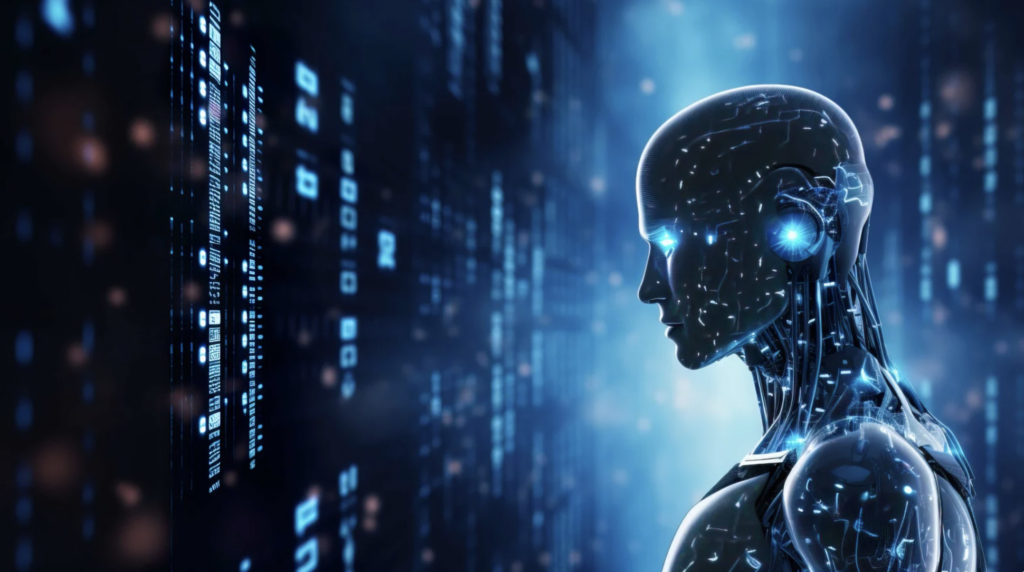
Credits: Canva AI Photo
That is why AI stories spread so fast. People are not just afraid of machines becoming powerful. They are afraid that machines can expose patterns humans would rather ignore.
Why bias matters so much
According to NIST, trustworthy AI depends on issues such as validity, reliability, safety, security, and bias management. When a model is trained on flawed or incomplete data, it can reproduce those flaws at scale. That is one reason AI can feel so unsettling: it can turn existing human problems into faster, larger, more automated systems.
In other words, some of the scariest AI outcomes are not science fiction. They are ordinary human failures amplified by code.
Why the fear feels real
Public anxiety around AI is tied to real concerns about surveillance, job disruption, misinformation, deepfakes, and automated decision-making. The viral appeal comes from the idea that AI might “know” something terrifying about humanity, but the more grounded truth is that AI can reveal patterns already present in the data we create every day.
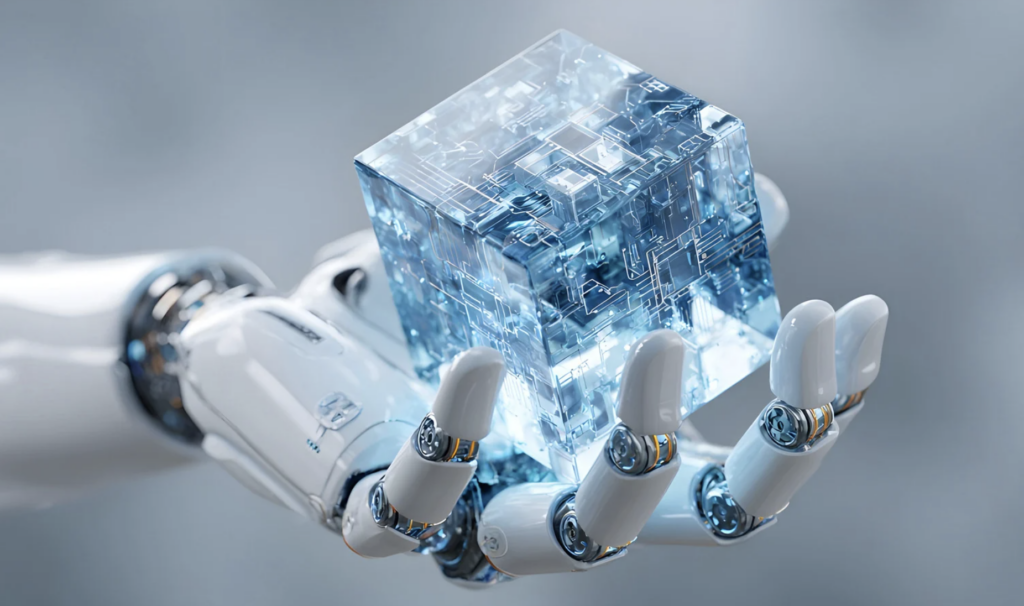
Credits: Canva Robotic Hands
That makes the story more believable, not less. A machine does not need to predict a sci-fi apocalypse to be alarming. It only needs to show us what our systems are already doing.
The scariest AI prediction is often not a fantasy about machines taking over. It is a data-driven warning about human systems already in motion.
Why this matters
This matters because AI is already influencing hiring, recommendations, search, moderation, finance, and other parts of everyday life. If these systems reflect bias or reward harmful patterns, the effects do not stay inside a lab. They shape real decisions, real opportunities, and real public conversations.
It also matters because the most useful public conversation about AI is not just whether machines are scary. It is whether humans are building, testing, and governing them responsibly. That makes this topic bigger than a viral headline. It is about how society handles powerful tools built from human data and human choices.
The real takeaway
Rather than claiming AI has predicted one specific terrifying destiny, it is more accurate to say AI can expose troubling trends in the information humans produce. That framing keeps the headline energy while staying much closer to reality.
And honestly, that version may be even more viral. A robot guessing the future is dramatic. A machine revealing what humanity already looks like in data is harder to dismiss.
Leave a Reply