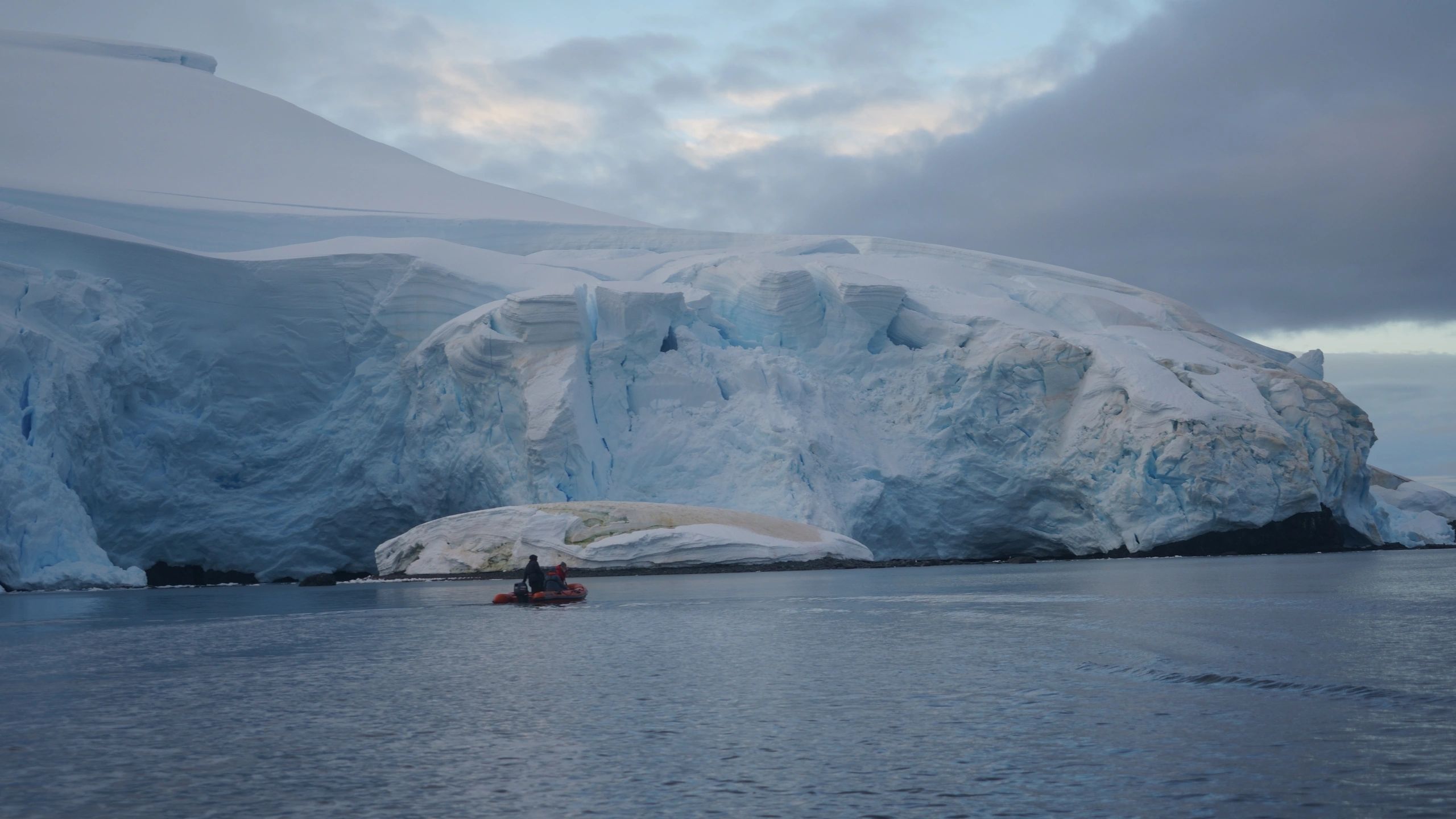
Antarctica keeps producing headlines that sound like science fiction, but the real story is usually even more unbelievable because it is true. Beneath the ice, scientists have identified hidden lakes, buried mountain ranges, deep valleys, sediments, and other geological features that cannot be seen from the surface.
A broad overview appears in Wikipedia’s Antarctica article and its entry on subglacial lakes, but non-Wikipedia sources make the case even stronger. The British Antarctic Survey, NASA Earth Observatory, and the U.S. National Science Foundation Antarctic Program all describe Antarctica as a continent with major hidden environments under its ice sheet.
What is actually under the ice
One of the most famous examples is Lake Vostok, a massive subglacial lake buried beneath kilometers of ice. Scientists use radar, seismic methods, satellite observations, and drilling data to map these features. According to the British Antarctic Survey, the ice sheet hides a landscape that includes mountain systems and liquid water trapped below the frozen surface.
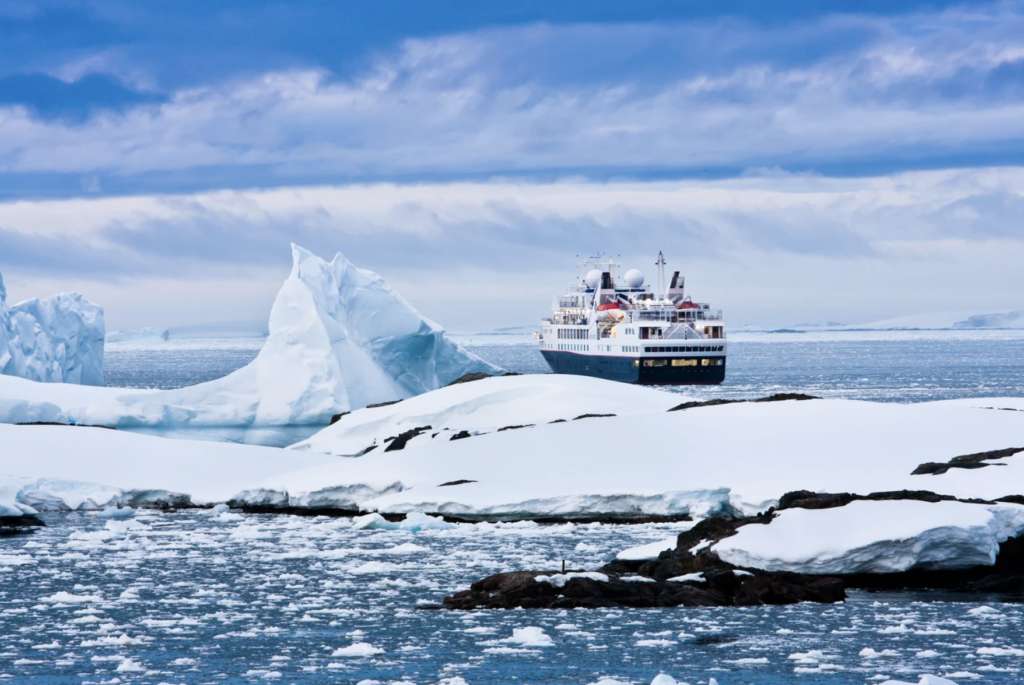
Credits: Big Cruise Ship – Canva
That is why headlines about “something strange under Antarctica” feel so believable. The continent really is hiding enormous structures and environments that sound almost unreal until you see the research behind them.
Why people get obsessed with this topic
Antarctica has perfect viral energy. It is remote, extreme, difficult to access, and still physically hidden. When scientists announce a buried lake, a newly mapped ridge, or evidence of ancient landscapes under the ice, the public reaction is immediate because it feels like Earth still has secret levels left to unlock.
But the strongest version of the story is not fantasy. It is the fact that our own planet still contains major environments we are actively discovering with modern tools.
Why the science matters
These discoveries are not just cool trivia. They help scientists understand how ice sheets move, how Antarctica has changed over time, and what that could mean for future sea-level rise. NASA and NSF both emphasize that Antarctic research is deeply connected to climate science, Earth history, and the study of extreme environments.
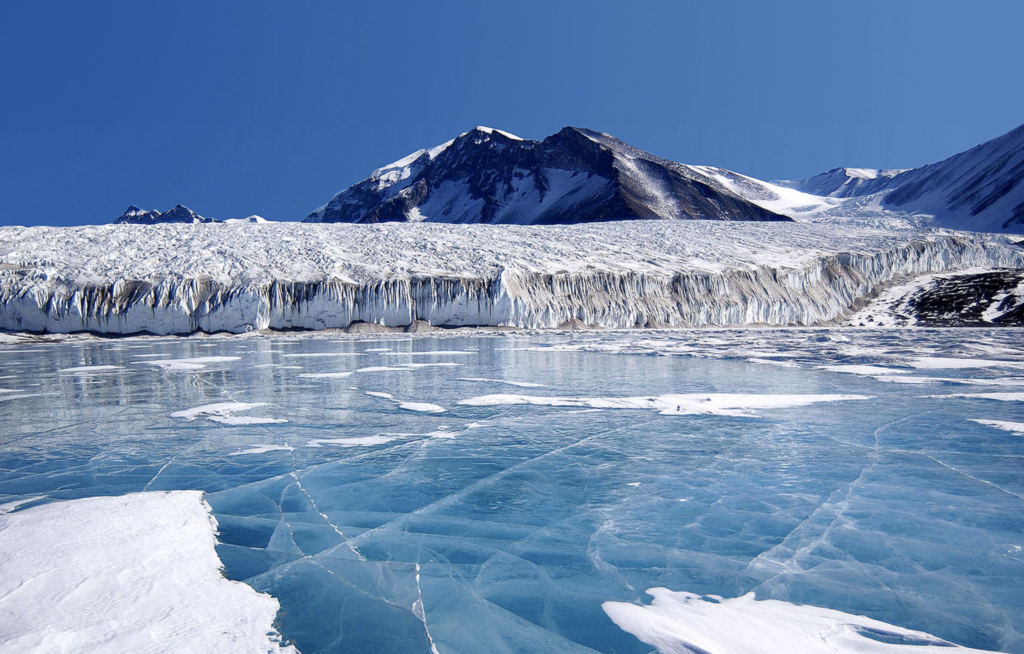
Credits: This image is a work of a National Science Foundation employee, taken or made as part of that person’s official duties. As a work of the U.S. federal government, the image is in the public domain.

Subglacial lakes also interest scientists because they may contain microbial life adapted to harsh, isolated conditions. That makes Antarctica useful not only for Earth science but also for thinking about icy worlds elsewhere in the solar system.
Antarctica feels alien not because it is imaginary, but because so much of it is still hidden beneath ice.
Why this matters
This matters because what is hidden under Antarctica is not just a cool mystery for the internet. It affects how scientists model ice loss, climate history, and future sea-level change. The more researchers understand the buried landscape and the behavior of the ice above it, the better they can interpret how one of Earth’s most important frozen systems may respond to a warming planet.
It also matters because discoveries in extreme environments expand the way people think about life and exploration. A story that starts as a viral “what is under the ice?” headline can lead readers into real science about geology, climate, and even the search for life in harsh conditions beyond Earth.
The real takeaway
So yes, scientists really have found strange things under Antarctica. The truth just happens to be more scientific than sensational: hidden lakes, buried landscapes, and clues about Earth’s past are sitting under one of the most extreme places on the planet.
That is exactly why the story works so well online. It sounds like a conspiracy headline, but the facts are solid enough to stand on their own.
Leave a Reply