Some animals live where most life should not be able to survive at all. They endure freezing cold, boiling heat, crushing pressure, severe dryness, low oxygen, or even the vacuum of space for short periods.
These creatures are not science fiction. They are real, and they show just how far life on Earth can adapt.
The tardigrade: tiny but nearly unstoppable
Credits: The tardigrade
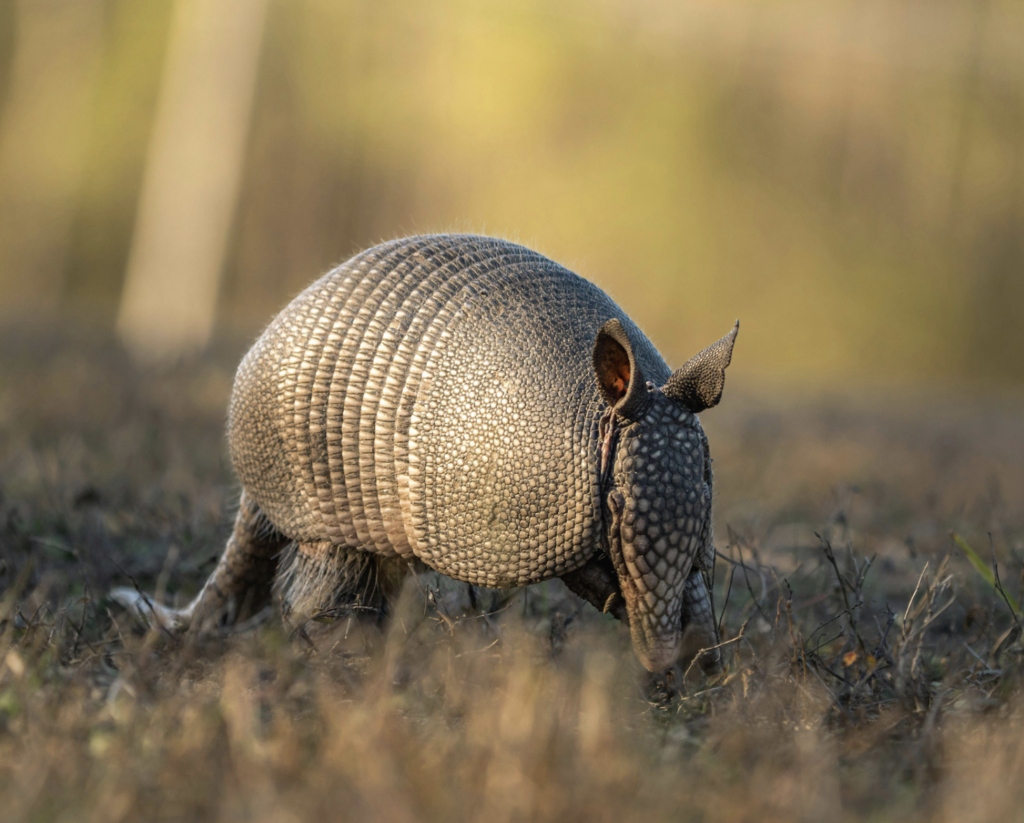
The most famous extreme survivor is the tardigrade, often called the water bear. This microscopic animal has become famous for surviving conditions that would kill most forms of life.
According to Britannica and Wikipedia, tardigrades can survive intense cold, heat, dehydration, high pressure, and radiation by entering a suspended state known as cryptobiosis.
NASA has even highlighted research on tardigrades surviving exposure to space, which helped make them one of the best-known examples of extreme biological resilience.
Pompeii worms and life near underwater vents
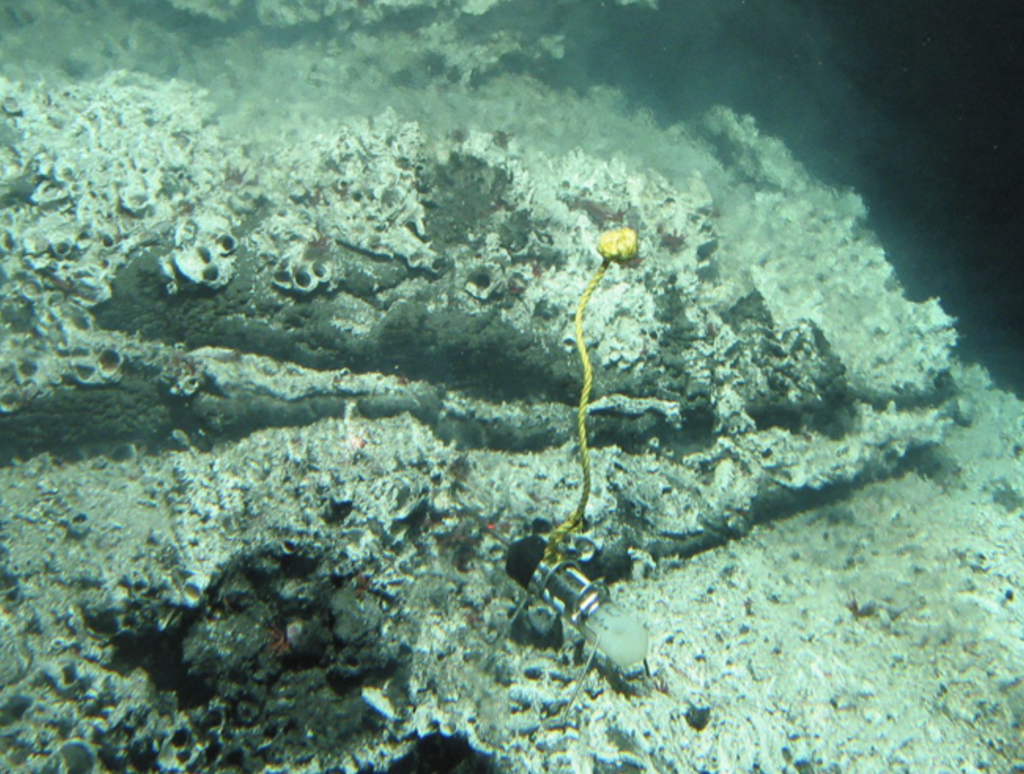
Photo credits: This file was published in a Public Library of Science journal. Their website states that the content of all PLOS journals is published under the Creative Commons Attribution 4.0 license (or its previous version depending on the publication date), unless indicated otherwise.
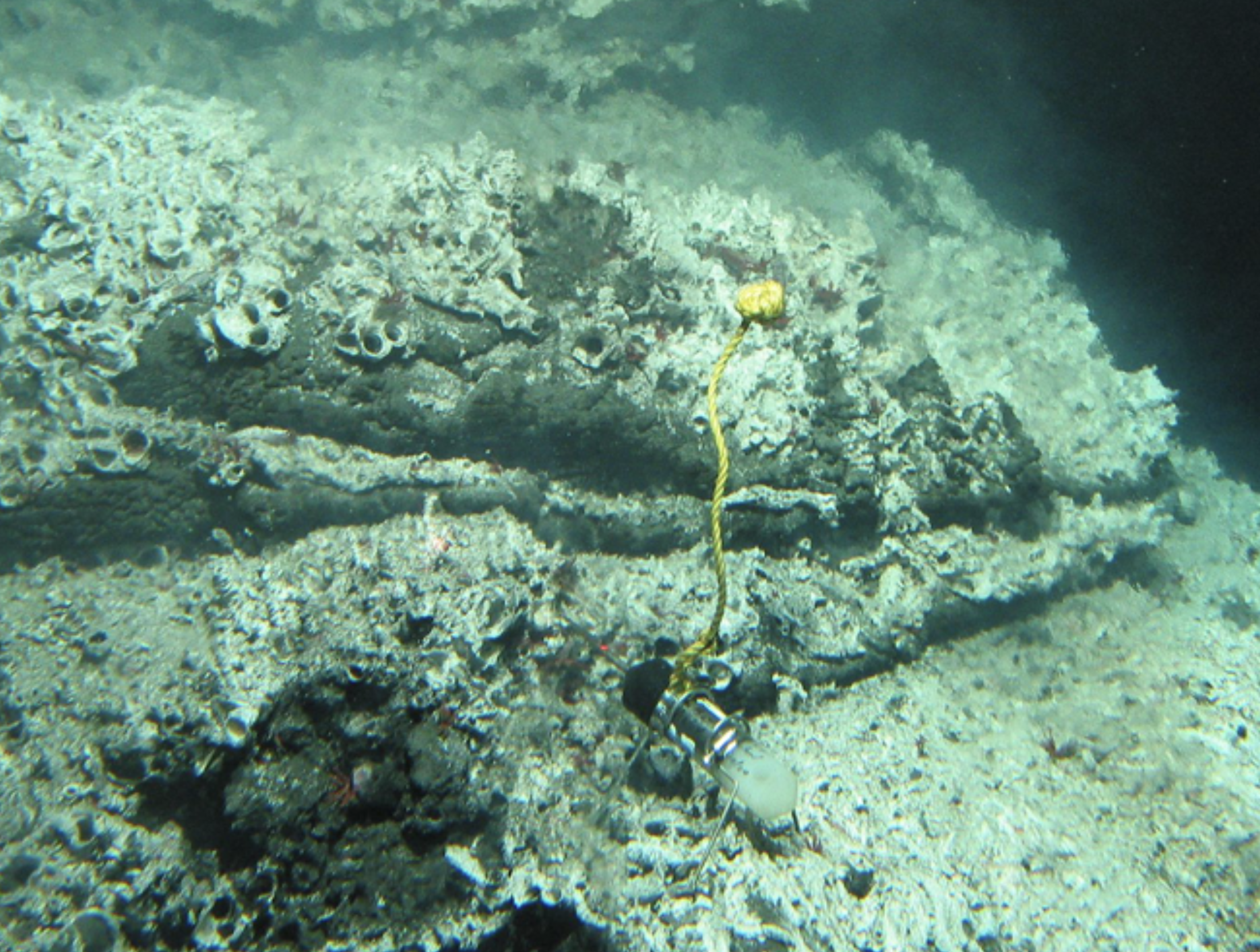
Another extraordinary creature is the Pompeii worm, which lives near hydrothermal vents on the ocean floor. These vents create some of the harshest living conditions on the planet.
The Smithsonian Ocean portal explains that hydrothermal vent communities depend on highly specialized organisms and bacteria. The Pompeii worm is one of the most famous examples.
Arctic animals built for survival

Animals such as the Arctic fox and emperor penguin survive brutal cold thanks to insulation, body-fat storage, blood-flow adaptations, and behavior that helps conserve heat. These animals are not just tolerating cold weather – they are thriving in conditions that can quickly kill unadapted species.
Desert survivors
In hot and dry climates, animals such as the kangaroo rat can survive with very little direct water intake. Some get moisture from seeds and food, while others avoid the daytime heat entirely by staying underground.
Why scientists study them
Researchers study extreme-surviving animals to learn more about biology, medicine, climate adaptation, and even the possibility of life beyond Earth. If life can survive under crushing pressure, severe dehydration, or radiation, that changes what scientists think is possible.
Why this matters
Animals that survive extreme conditions prove that life is far more adaptable than many people imagine. They challenge assumptions about where living things can exist and how biology works under stress.
The more scientists study them, the clearer it becomes: Earth is full of organisms doing things that seem almost impossible.
Leave a Reply