Space is so extreme, so vast, and so unlike everyday life on Earth that many real facts about it sound completely invented. But some of the strangest truths in the universe are backed by serious science.
There are planets where it may rain glass
Some exoplanets have weather so violent and alien that it barely sounds possible. According to NASA’s exoplanet research pages, scientists have found worlds with extreme atmospheric conditions far beyond anything on Earth. One well-known example is HD 189733 b, a planet often described as having sideways glass rain because of its high-speed winds and silicate particles in the atmosphere, as discussed by the European Space Agency.
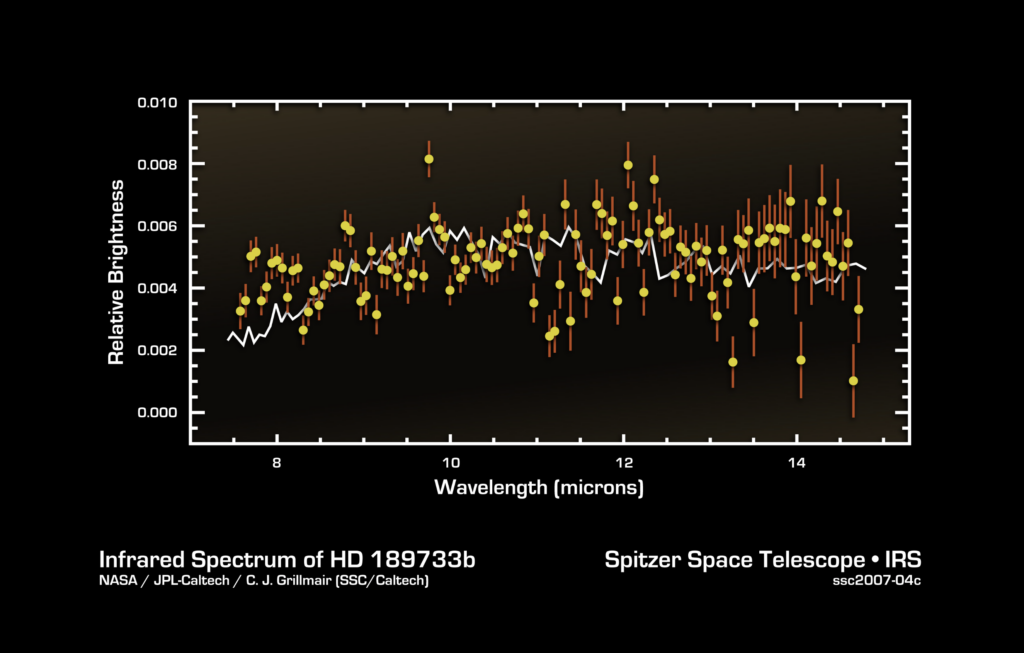
Photo Credits: Wikipedia
Space is not completely silent everywhere for the reason people think
People often say “there is no sound in space,” which is mostly true because sound needs a medium like air to travel. NASA explains this clearly in its educational materials about why space is silent. But some regions of space are not truly empty, and scientists can translate pressure waves or electromagnetic signals into audio-like data for study.
So while you would not hear sound normally in a vacuum, the universe is still full of energetic activity.
A day on Venus is longer than a year on Venus
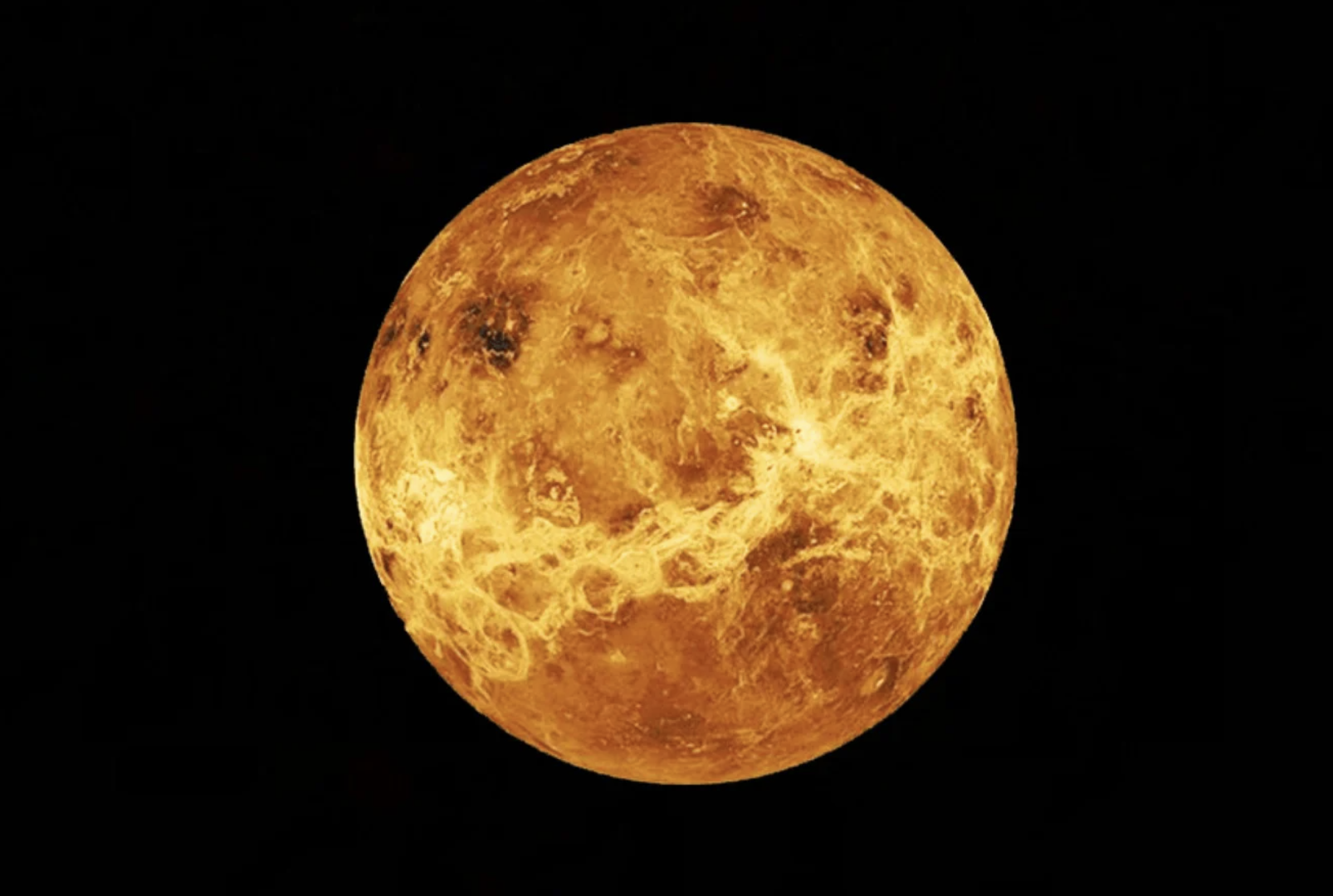
Venus rotates incredibly slowly. According to NASA’s Venus overview, Venus takes longer to rotate once on its axis than it takes to orbit the Sun. That means a single Venusian day is longer than a Venusian year.
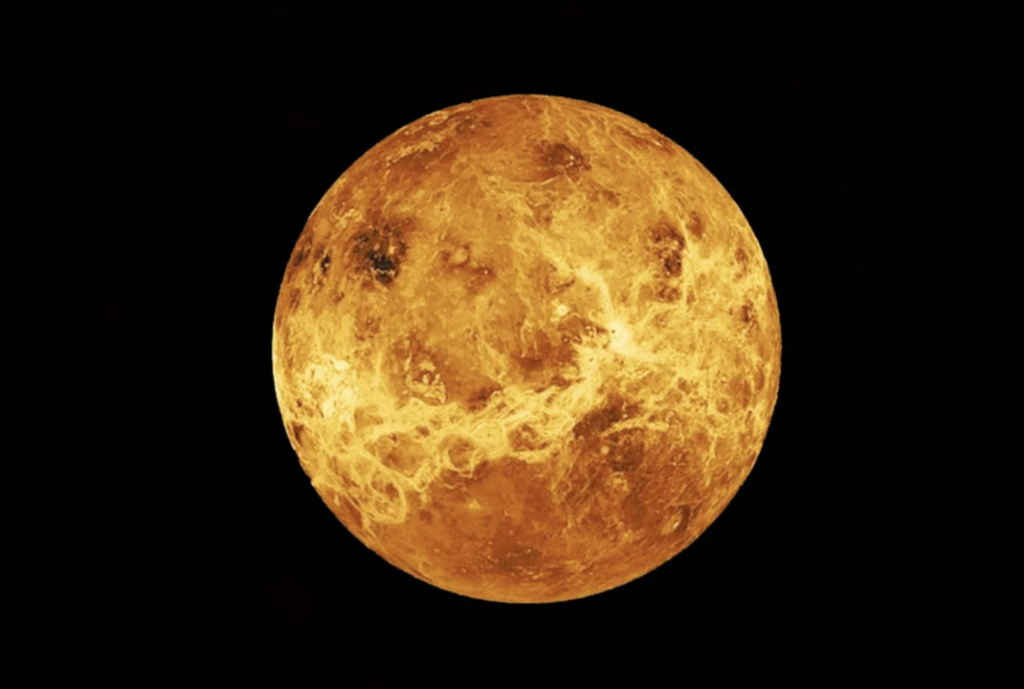
Photo Credits: Venus – Canva
That sounds fake, but it is one of the strangest real timing facts in the solar system.
Neutron stars are unbelievably dense
Some dead stars collapse into neutron stars, objects so dense that a tiny amount of their material would weigh an enormous amount on Earth. The NASA science page on neutron stars explains that these objects pack more mass than the Sun into a sphere only about the size of a city.
That means matter in the universe can become more extreme than most human minds naturally imagine.
There may be more stars than grains of sand on Earth
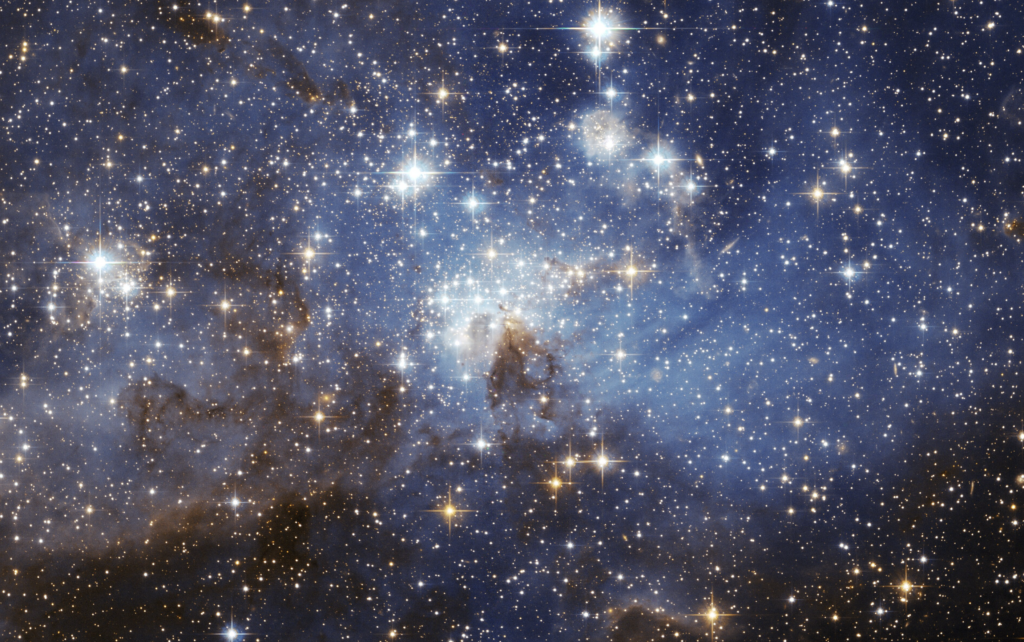
Photo Credits: ESA/Hubble, Star – Wikipedia

Astronomers estimate that the observable universe contains an astonishing number of stars. While comparisons vary, large-scale estimates discussed by ESA/Hubble and other astronomy sources suggest that the number of stars in the observable universe is likely greater than the number of grains of sand on all Earth’s beaches.
It is a reminder that space is not just strange – it is overwhelmingly huge.
Why this matters
Space sounds fake because it operates on scales and conditions that human intuition was never built to understand. Planets can have glass rain, stars can collapse into ultra-dense matter, and entire worlds can have days longer than years.
The universe does not need fiction to be unbelievable. Reality is already doing that job.
Leave a Reply